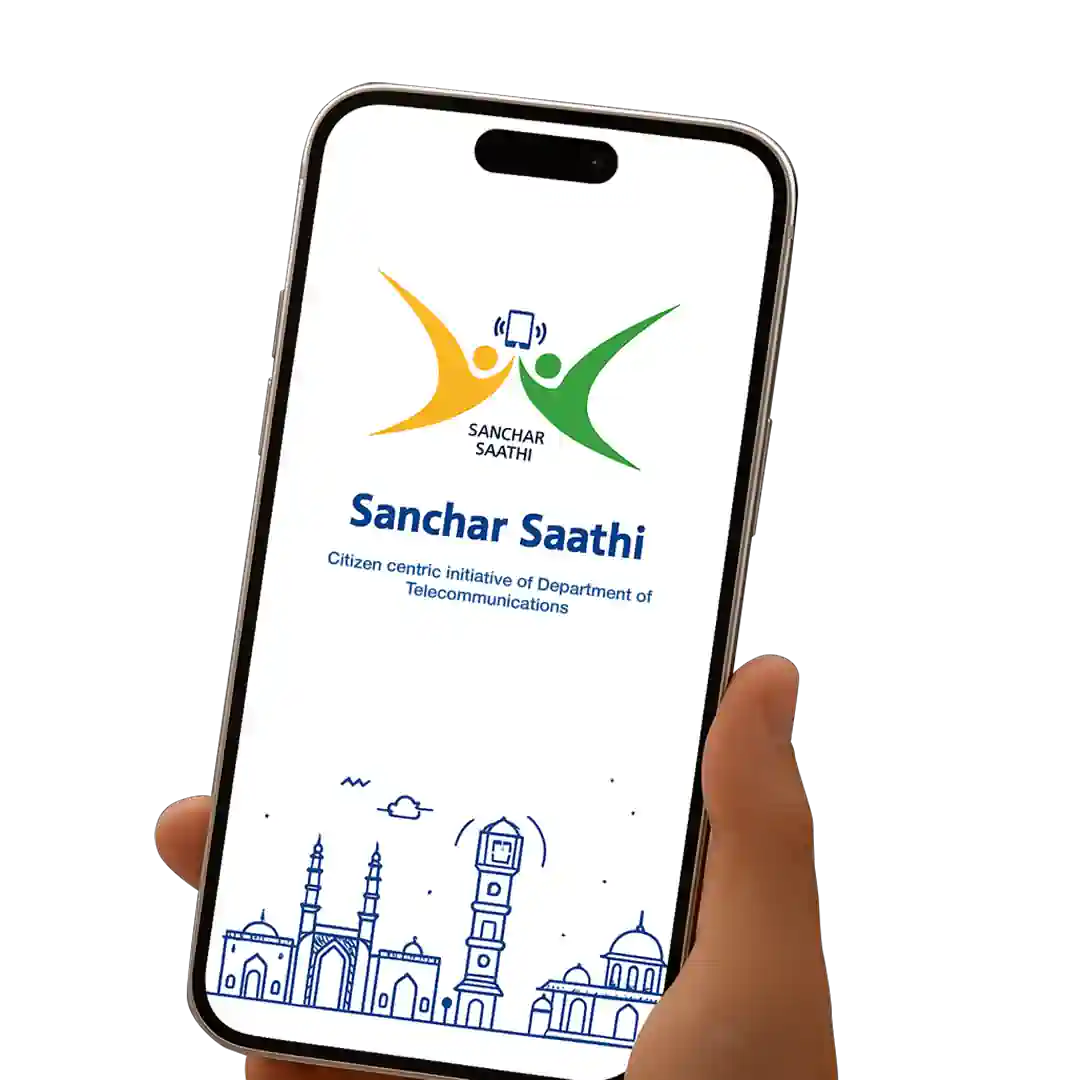

The Indian government has recently ordered smartphone companies, including Apple, to pre-install the state-owned app, Sanchar Saathi, on all new devices, and to push it onto existing phones via system updates. All smartphone manufacturers have been directed to do this within a time frame of 90 days. Additionally, the government had asked the companies to make sure that the app cannot be disabled on the phone.
On paper, the move is framed as a step toward better telecom safety as the app is supposedly designed to help users track their stolen phones, block, and prevent them from being misused. But on the ground, and online, this decision has ignited a storm of criticism, skepticism, and outright distrust very quickly and not without cause, if I may say so myself. Opposition leaders and citizens argue that this whole move is not about cybersecurity at all but rather a surveillance agenda disguised as a safety measure.
Now, here’s the part I’m actually happy about: Apple is reportedly refusing to comply. They have, apparently, rejected this snooping proposal straight away. The company has always been known for taking user privacy extremely seriously, and I’m glad they’re not bending backwards for this. Reports claim that the Apple people are planning to tell the government that they simply do not follow such orders anywhere in the world, because forced apps raise a whole bunch of privacy and security problems for iOS.
Apple standing its ground definitely puts extra pressure on the government—especially now that the opposition is already accusing them of overreach. Meanwhile, other major android companies haven’t openly said anything yet, so it’ll be interesting to see which way they lean.
Sensing the heat, the Telecom Ministry came out today to “clarify” that the Sanchar Saathi app is not actually mandatory. According to them, it’s a “voluntary and democratic system,” and users can activate it if they want—and “easily delete it at any time.” Which sounds nice… except that the original directive literally told manufacturers to preload it and push it via updates. So yeah, the mixed messaging isn’t helping.
This whole situation touches a very real nerve: the right to privacy. And when a government app is being pushed onto your device, people are right to question the intent behind it.
Hopefully, other companies follow Apple’s example and the “Big Brother is watching” jokes remain a joke and do not become our reality any time soon.