
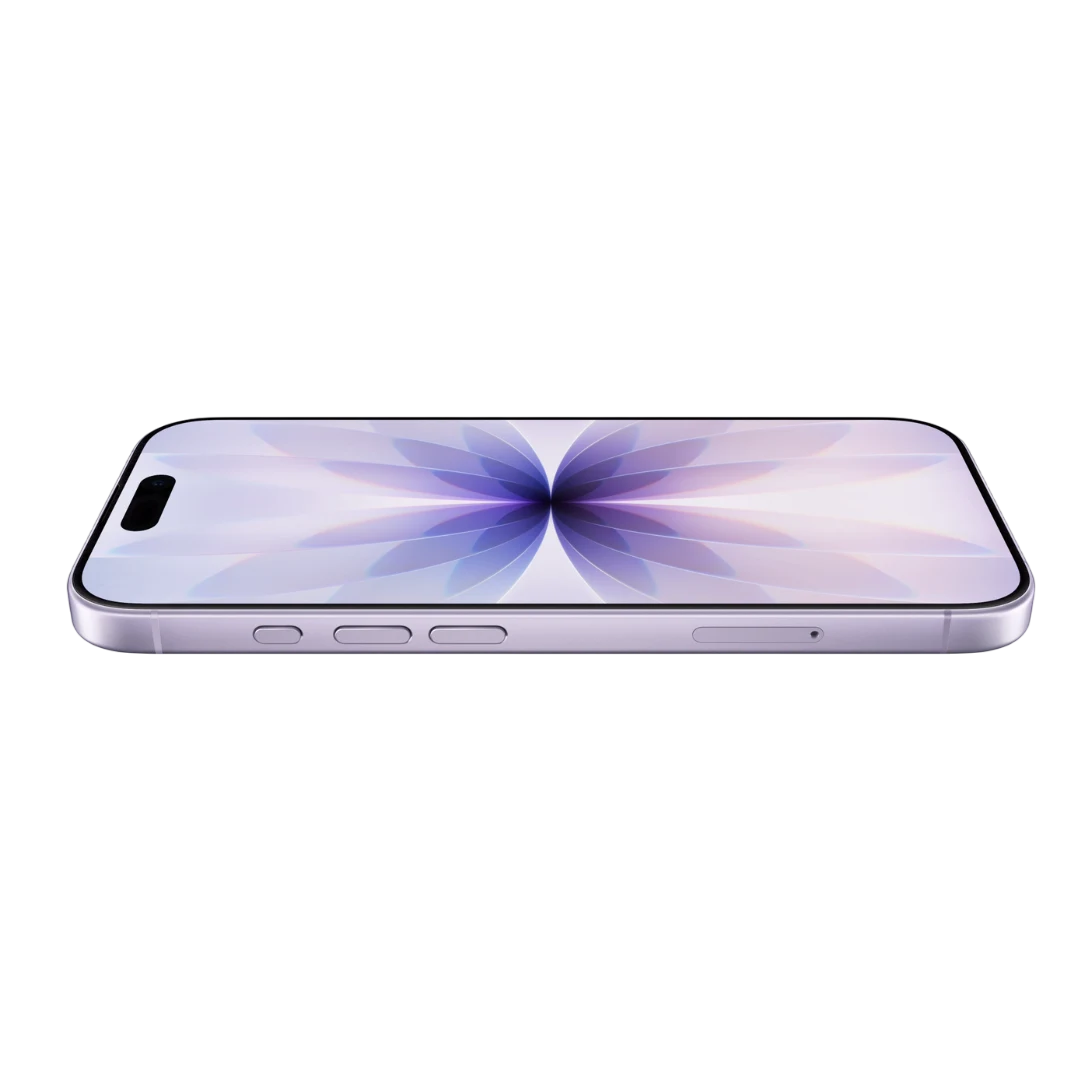

Apple’s crackdown on the grey-market in India has taken a new turn with official distributors issuing strict warnings to iPhone retailers across the country. The notice highlights that any new iPhones, especially the high-demand iPhone 17 series, found activated with foreign SIM cards within 90 days of purchase, will lead to hefty penalties. In some cases, retailers’ store codes may even be blocked, effectively cutting them off from future supplies.
As Apple tightens compliance measures, tensions are rising among Indian iPhone retailers who fear the consequences of even accidental violations.
Why is this step being taken
Apple’s stricter measures stem from a growing problem: the illegal diversion of iPhones to high-profit international markets such as Russia, Africa, and the Middle East. These regions often offer significantly higher margins, tempting iPhone retailers to move stock out of India instead of selling it locally.
Recent reports indicate that the situation has intensified with the iPhone 17 series. The models are vanishing quickly from Indian shelves, not because of overwhelming consumer demand, but because of the parallel exporting, leaving genuine Indian buyers struggling to find the latest iPhones.
What does this mean for the Indian Market and Retailers
Adding salt to the wound, Apple reduced its iPhone 17 cashback offer from ₹6,000 to just ₹1,000 right after the festive season. This sudden cut has made the already scarce phones even more expensive for buyers.
While the official price of the iPhone 17 in India stands at ₹82,900, diverted units are selling overseas for around ₹88,500 along with additional accessories worth ₹4,000–₹5,000.
Amid these developments, small retailers argue that Apple’s enforcement rules are disproportionately affecting them. They claim that large-format chains and major distributors face far fewer restrictions, leaving smaller stores to bear the brunt of the company’s stricter policies.
Apple CEO Tim Cook has acknowledged the ongoing supply challenges, noting that the shortages of the iPhone 16 and 17 series are largely driven by exceptionally high demand. However, several reports suggest that the situation is expected to improve by December, offering some relief to both retailers and customers awaiting restocks.