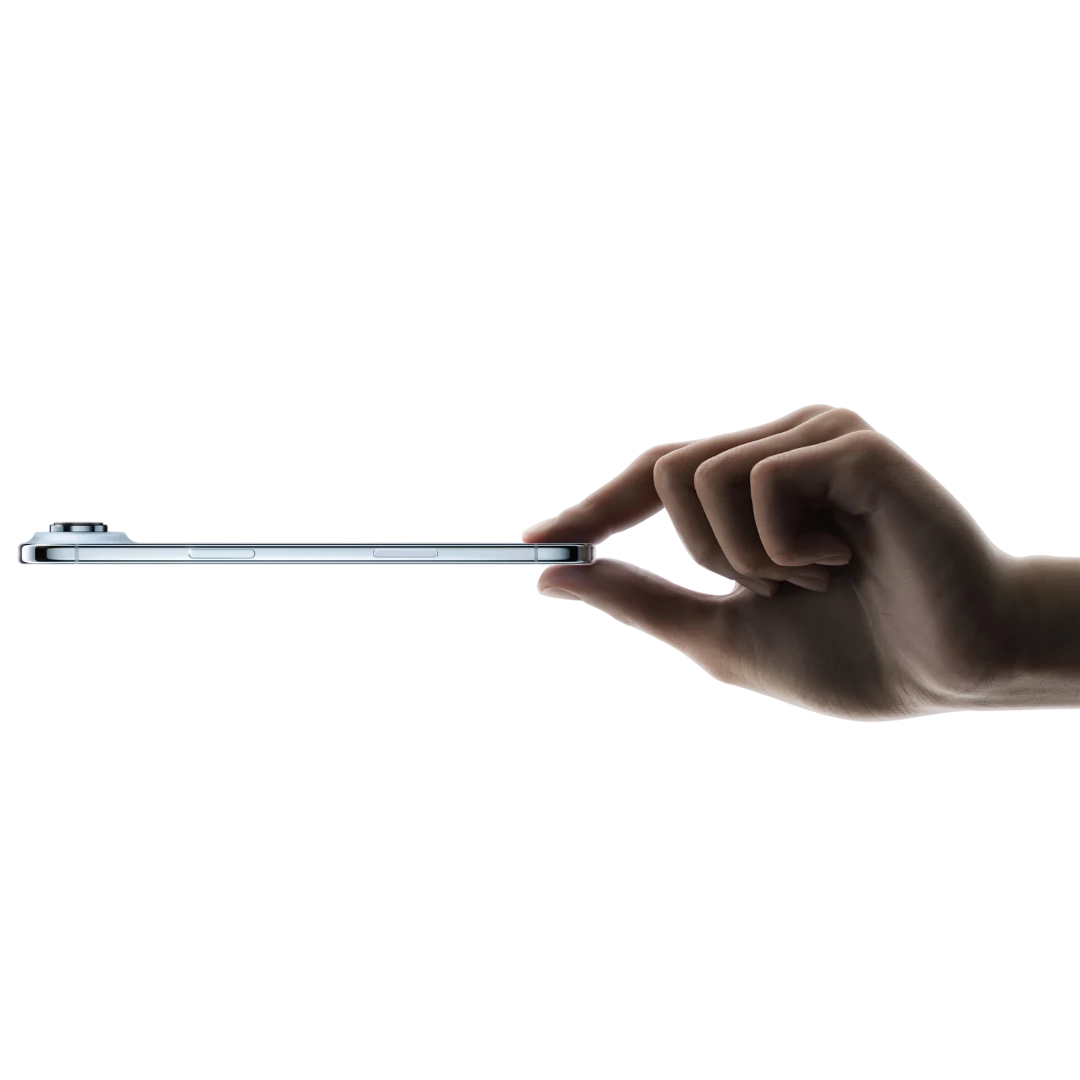

Apple’s latest iPhone innovation—the iPhone Air—is appealing to a very small group of users rather than catering to the masses. This might ring a bell or two, right? We are in the iPhone Mini and iPhone Plus era. And joining this chaos club is the thinnest iPhone ever.
There are multiple reports saying that Apple has slashed the iPhone Air’s production by nearly 80%. Suppliers are reportedly instructed to reduce capacity through early 2026. In addition, certain long-lead components are expected to be phased out by late 2025.
The reason behind it is simple: iPhone Air sales have been really underwhelming. To put it into perspective, after its launch, the iPhone Air was readily available, whereas the iPhone 17, iPhone 17 Pro, and Pro Max were already sold out, and buyers had to wait for days and even weeks to get their hands on them.
But the question is: what exactly affected iPhone Air sales? Is it its features or the unjustified price tag? Well, it is a mixture of both.
To begin with, let’s talk about the price. Who, in their right mind, would spend ₹1.20 lakh on a first-generation iPhone Air when, for just a little more (₹15,000 to be precise), they can get a far more powerful flagship iPhone? The math alone makes it hard to justify the Air’s price tag. When you stack it against the iPhone 17, which costs just ₹83,000, its price barrier becomes even more obvious.
That premiumness starts feeling even more questionable once you examine what you actually get for it.
Yes, some users do enjoy the ultra-thin profile of the iPhone Air, but it comes with some major compromises. iPhone Air packs a significantly smaller battery compared to the series 17 iPhones. Even though Apple claims it delivers ‘all day’ backup, but in real-world use, the iPhone 17 comfortably outlasts it. On top of that, the Air carries just a single rear camera, which is bound to disappoint anyone who cares about photography or expects flagship-level versatility.
Apple has repeatedly made the same mistake of launching a series of ‘niche flops’. Take for instance, the iPhone 12 mini, sold as a ‘pocket flagship,’ yet most people ended up hating the tiny display (not me, though). It was discontinued after just two generations. Then came the iPhone 14 Plus: large screen, but still no Dynamic Island or 120Hz, and it lost its value in no time. Apple seems to have messed up with the iPhone Air as well. They focused on making the phone ‘super thin and super light,’ but in doing so, they ignored what people actually need. That obsession has come at the cost of real user experience. Let’s be honest, this product was destined to be a niche experiment for a small set of users, not something built for the mainstream.