
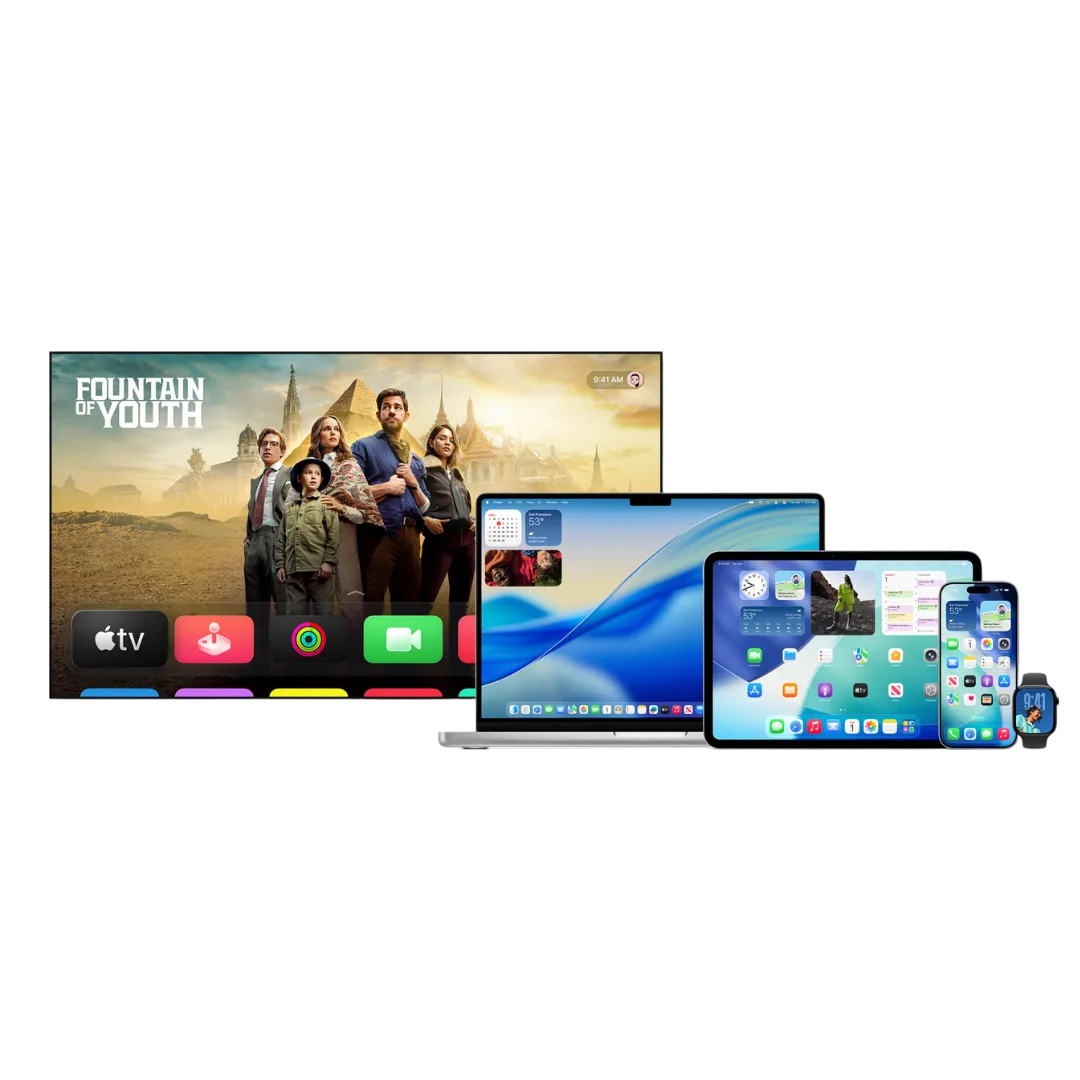

Apple recently performed a sweeping visual update in its ecosystem with the Liquid Glass design—now available for iPhones and across all Apple devices. With the release now in the hands of users, reactions have started to pour in—and as expected with any major design shift, the opinions are mixed to say the least.
What is Liquid Glass?
Apple’s latest evolution in user interface design—Liquid Glass—combines the optical clarity and polish of real-world glass with a dynamic, adaptive behaviour. In simpler words, it’s a translucent UI material that changes its appearance based on what’s around it, including switching between light and dark environments. Like that chameleon from Tangled, or chameleons in general.

This new material extends across the entire system, from buttons, and sliders to tab bars and sidebars. The Lock Screen, Home Screen, notifications, and Control Center are also affected. Apple has integrated the Liquid Glass design into a wide range of apps as well, including Camera, Photos, Safari, FaceTime, Apple Music, Apple News, and Apple Podcasts, aiming for a more unified and immersive visual experience.
A Mixed Bag of User Reactions
Since the launch of iOS 26, user feedback has been varied. Some users appreciate the refined, fluid aesthetics, calling it a natural next step in Apple’s ongoing design evolution. They’ve noted that app interfaces feel more modern and visually engaging, with icons and certain UI details benefiting from the added depth and translucency.
However, others have raised legitimate concerns—particularly around contrast and accessibility. In some areas, users have reported that key UI elements like notifications and tab labels can become difficult to read, especially when layered over complex or dynamic backgrounds. The one thing that is clearly visible then is the usability flaws in it.
While Liquid Glass design is undoubtedly a technical achievement, some are questioning whether it only prioritizes visual appeal and aesthetics over usability; a complaint several users had against iPhone Air as well. With any significant visual redesign, especially one as ambitious as the Liquid Glass, it is expected that not every user will be immediately on board. Change at this scale often takes time to settle in, and user feedback plays a vital role in shaping future iterations.
Whether Apple will adjust aspects of the Liquid Glass design in response to the initial wave of feedback remains to be seen. Their track record for listening to user feedback is not particularly ideal. But for now, it represents a bold, stylistic shift that continues Apple’s legacy of pushing design boundaries.


