

There are times when, as a fan of something—a brand, a celebrity, a sports team, or even an operating system—you find yourself defending its choices against criticism. Sometimes the criticism is unfair and people just like hating on popular things. Oftentimes it’s quite justified and necessary.
If I had to name one brand that consistently requires its fans to perform olympic-level defense for its case, the answer isn’t difficult at all. In fact, it’s probably the first English word many of us ever learned: “A for Apple”.
Apple has built one of the most loyal fanbases in the world. The kind of fanbase you can find engaged in “Android or Apple” debates in comment sections of social media, Reddit, Quora, and even in real life.
To be fair, Apple makes it easy to defend them most of the time. Their products are amazing, their ecosystem works incredibly well, and they have a habit of making mundane features feel more refined than the competition.
But every once in a while, Apple does something so baffling that even the most devoted fans are left staring at the screen wondering, “Wait… why?”
The latest example comes courtesy of iOS 27.
The beta version has already been released, with the public rollout expected later this year. While much of the attention has been focused on larger changes such as Apple’s continued Siri overhaul, there’s one thing that might have missed your eyes.
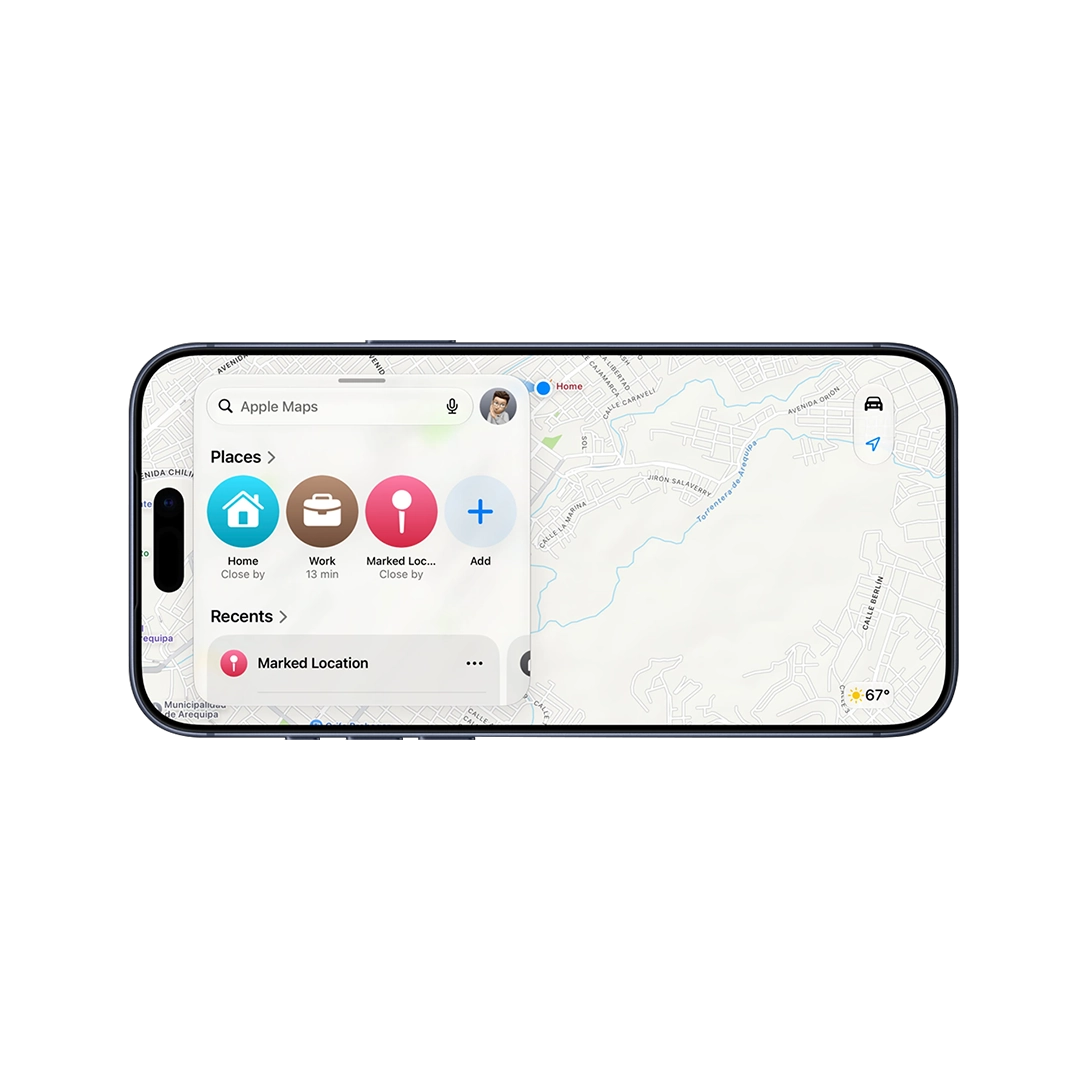
Apple is bringing landscape mode support to a large number of built-in iPhone apps.
Yes. In 2026.
Among the apps gaining landscape support are Apple Music, Podcasts, Fitness, Health, Reminders, Home, Shortcuts, Apple Watch, Find My, Weather, Voice Memos, and Apple TV Remote.
For anyone who doesn’t use an iPhone, that sentence probably sounds completely insane. Landscape mode? In 2026? As a new feature?
Landscape mode has existed on Android for what feels like forever. Rotate the phone, and most apps adapt. But this is apparently a revolutionary concept for iOS. Except, that’s not exactly true.
The funniest part is that Apple isn’t even introducing something new. They are reintroducing something they already had. Older iPhones such as the iPhone 6 Plus, iPhone 6s Plus, iPhone 7 Plus, and iPhone 8 Plus supported landscape-oriented home screens. Several Apple apps also worked perfectly fine in landscape mode years ago.
Then Apple all of a sudden removed that functionality—for no reason at all. No major explanation about why rotating an interface had suddenly become impossible.
It just disappeared and nobody seemingly had an issue with it—or I’m sure even if they did, the loyalists probably had a good defense ready.
Over time, a handful of apps retained the feature. Messages, Mail, Notes, Files, Maps, and Calendar could still function in landscape orientation. And now, finally, iOS 27 is expanding that support once again.
Why was it removed in the first place? Was landscape mode consuming too much battery? Was it secretly melting processors? Would it have cost them a lot to keep it running? (Ye raaz bhi usi ke saath chala gaya!)
But it’s difficult to ignore the fact that the company is effectively announcing the return of a feature it once offered, then took away, and is now slowly bringing back. It’s almost the tech-world equivalent of getting back with an ex.
According to various reports, this renewed focus on landscape mode is likely connected to Apple’s foldable iPhone plans, which makes sense, considering its width. A wider foldable display would naturally benefit from interfaces optimized for landscape orientation. In that context, Apple’s strategy appears to be gradually preparing iOS for a larger-screen future.
That’s reasonable. However, what’s less reasonable is the journey required to get here. So, if they weren’t already in the process of making a wide, foldable phone, they probably wouldn’t have bothered with this upgrade.
A smartphone, in 2026, priced well above ₹ 1,00,000 not even having a proper landscape orientation is hilarious, really.
Of course, Apple being Apple, the landscape layouts will be polished, the animations will be smooth, and within a few months people will forget the feature was ever missing. That’s the magic trick they have always been exceptionally good at.
But if the company is currently on a mission to reintroduce things it previously removed for no particularly convincing reason, I have a humble suggestion: Bring back the headphone jack!


